
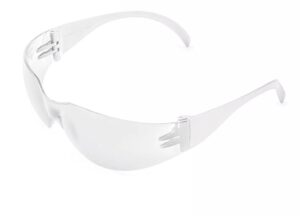
ANSI Z87.1 is a widely recognized standard in the United States that sets forth requirements for protective eyewear, including safety glasses, goggles, and face shields. It ensures that these products provide adequate protection against various workplace hazards like impact, dust, chemicals, and UV radiation.
Key Features:
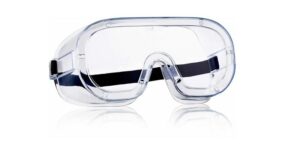
EN 166 is the European standard for personal eye protection that provides a comprehensive guideline for the design, testing, and use of eye protection products such as safety glasses, goggles, and face shields. It applies to protection against mechanical, optical, thermal, and chemical hazards.
Key Features:
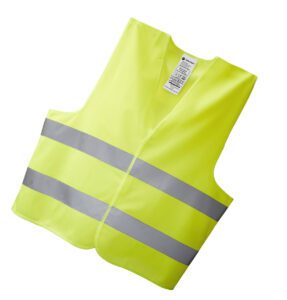
ANSI/ISEA 107 is the American standard for high-visibility safety apparel, developed by the American National Standards Institute (ANSI) and the International Safety Equipment Association (ISEA). It sets the criteria for high-visibility clothing that protects workers in environments where they are at risk of being struck by moving vehicles or equipment.
Key Features:
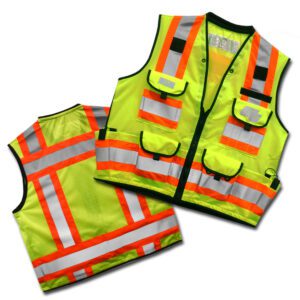
EN ISO 20471 is a European standard that specifies the requirements for high-visibility clothing, designed to ensure that workers are visible to others in hazardous conditions where visibility is compromised, such as low-light conditions, heavy traffic areas, or construction zones.
Key Features:
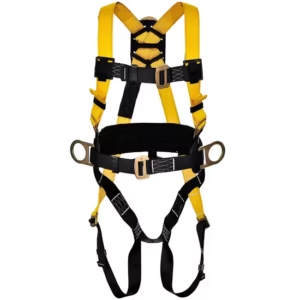
ANSI Z359 is a comprehensive set of standards developed by the American National Standards Institute (ANSI) to govern fall protection in the workplace. The Z359 series addresses various fall protection equipment, including personal fall arrest systems (PFAS), lanyards, harnesses, and related accessories. The series ensures that equipment is designed, tested, and maintained to provide maximum safety for workers at height.
Key Features of ANSI Z359:
Types of Fall Protection Equipment:
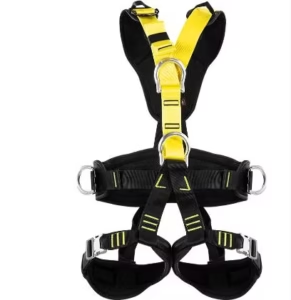
EN 361 is a European standard that sets requirements for personal protective equipment used in fall arrest systems. It specifically addresses the design, performance, and testing of full-body harnesses used in preventing fall injuries. EN 361 is part of the broader EN 363 standard, which governs fall protection systems in the European Union.
Key Features of EN 361:
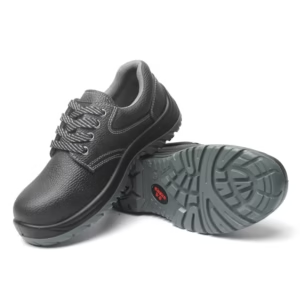
ISO 20345 is an international standard that specifies the basic requirements for protective footwear designed to safeguard the feet of workers from hazards in the workplace. It applies to footwear intended for general use in industrial settings where workers face the risk of foot injury from mechanical, thermal, electrical, or chemical hazards.
Key Features of ISO 20345:
Categories of Footwear under ISO 20345:
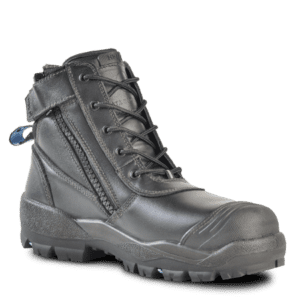
ASTM F2413 is a safety standard established by ASTM International (formerly known as the American Society for Testing and Materials). It outlines the performance requirements for protective footwear in the United States, ensuring that it provides protection from common workplace hazards such as impact, compression, electrical hazards, and foot puncture injuries.
Key Features of ASTM F2413:
Types of Footwear Under ASTM F2413:
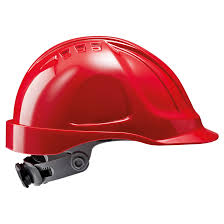
EN 397 is a European standard that specifies the performance requirements for industrial safety helmets (hard hats) used in a wide range of industries to protect workers’ heads from impact and other hazards in the workplace.
Key Features of EN 397:
Types of EN 397 Helmets:
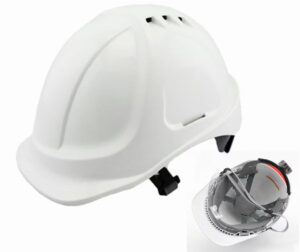
ANSI/ISEA Z89.1 is an American standard that sets the requirements for industrial safety helmets used in workplaces to protect against head injuries. The standard outlines the performance, testing, and labeling requirements to ensure the helmet can effectively protect workers from impacts, electrical hazards, and more.
Key Features of ANSI/ISEA Z89.1:
Classes of ANSI/ISEA Z89.1 Helmets:
Types of Helmets: